
What is dew point, and three reasons why measuring it important
By Todd DeMonte
Owner and General Manager
May 2025
Definition – Dew point is a measurement of the absolute amount of water molecules in a specific volume of air and described as the corresponding surface temperature in which those water molecules will start to condense from a gas to a liquid (forming “dew”).
Reason 1) Mold Prevention and Structural Integrity
Interior dew points are a critical factor in building health. When the dew point of indoor air approaches the surface temperature of walls, windows, or HVAC components, condensation can form. Over time, this moisture buildup can lead to mold growth as well as the structural decay of wood framing and building finishes. According to the American Society of Heating, Refrigerating and Air-Conditioning Engineers (ASHRAE), maintaining indoor dew points at 60°F and below is crucial for preventing mold growth. Mold not only damages buildings but also poses significant health risks to occupants, exposing building owners to lawsuits. Proactive dew point management can help prevent these costly and hazardous outcomes. See ASHRAE’s guidance regarding interior dew points below.
5.12.1 Humidity Limit – The indoor humidity shall not exceed a dew point temperature of 60°F (15°C) during both occupied and unoccupied hours in any zone.
ASHRAE 62.1-2022, Section 5.12: Systems and Equipment
Reason 2) Pest Control
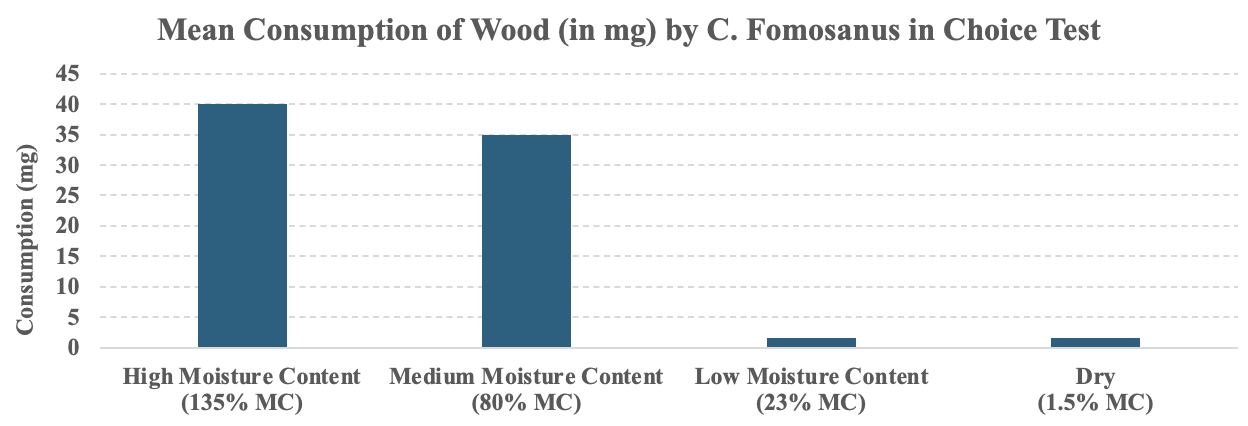
High moisture levels indoors can create an ideal environment for a range of pests. Formosan termites, for example, thrive by ingesting damp wood, and their presence can cause significant structural damage over time. Dust mites, roaches, and other common household pests, flourish in high humidity conditions where dew points are elevated, leading to allergic reactions and respiratory problems in sensitive individuals. Additionally, high indoor moisture levels can encourage the growth of bacteria and other microorganisms, which can compromise indoor air quality and pose health risks. Regular dew point monitoring helps maintain a dry indoor environment, reducing the likelihood of pest infestations and their associated problems.
In addition to causing health problems, moisture can damage building materials and components. For example:
• Prolonged damp conditions can lead to the colonization of building materials and HVAC systems by molds, bacteria, wood-decaying molds and insect pests (e.g., termites and carpenter ants).
EPA’s Moisture Control Guidance for Building Design, Construction, and Maintenance
In lab tests, Formosan termites were shown to not feed on wood with a moisture content of less than 24%. In conditioned spaces at 66°F equilibrium, dew points kept below 60°F would keep wood at a safe equilibrium moisture content level of below 17%.
Reason 3) Comfort, Health, and Indoor Air Quality
What people perceive as “humidity” is not the “relative humidity” percentage shown on forecasts or weather stations but is actually the absolute moisture in the air (known variably as the dew point, partial pressure, grains, humidity ratio, or absolute humidity). High dew points (above 70°F) feel oppressive and uncomfortable. See the NOAA comfort chart below.
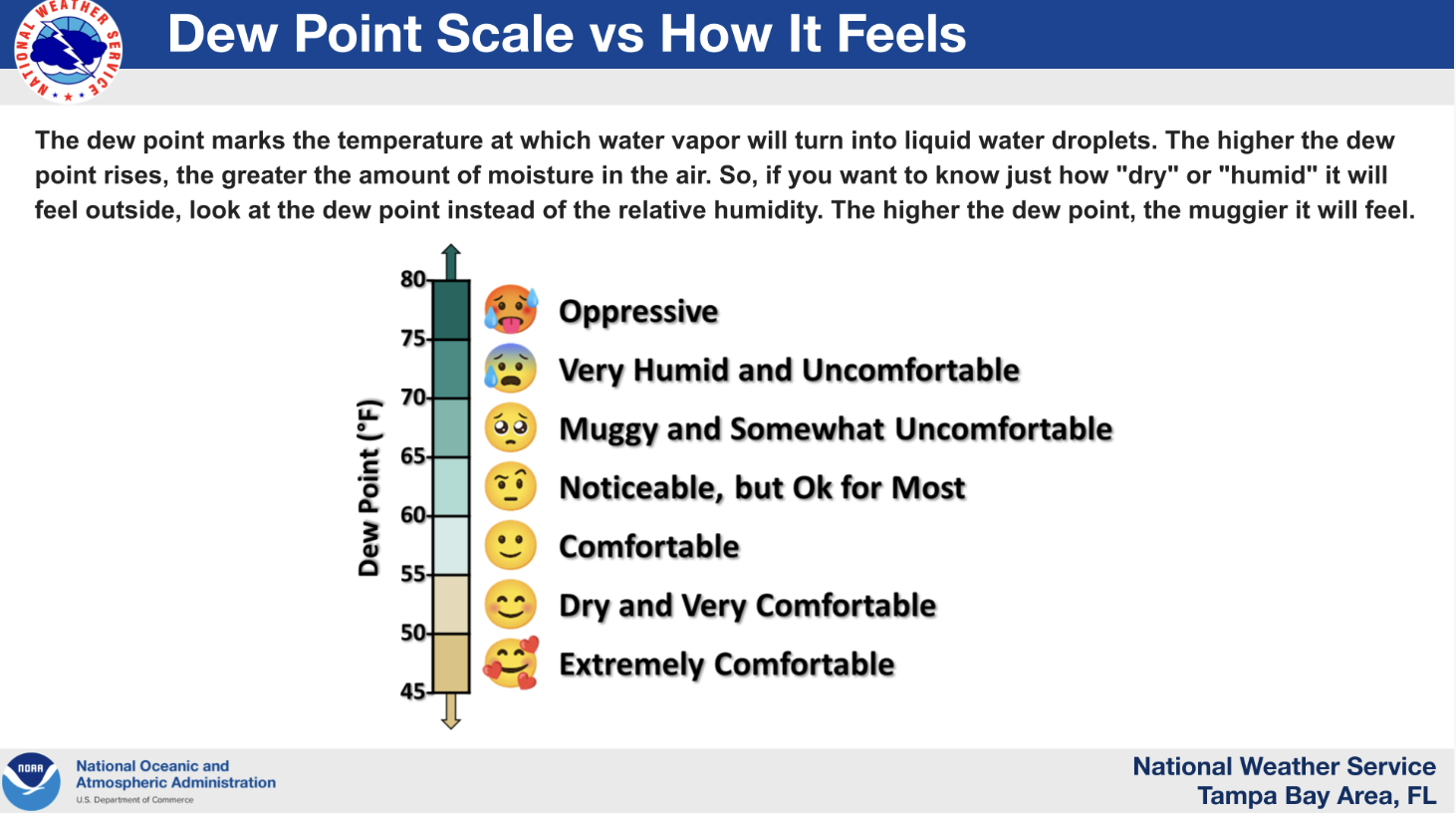
The absolute humidity level directly impacts human comfort, with high dew points (above 60°F) making the air feel sticky and uncomfortable, reducing the body’s ability to cool itself through the evaporation of perspiration. Dew points between 55°F and 30°F feel comfortable. Low indoor dew points (below 20°F) can dry out mucous membranes, increasing the risk of respiratory irritation, dehydration, and increased susceptibility to colds and infections.
High dew points can increase the concentration of airborne pollutants like volatile organic compounds (VOCs), which are released from building materials, furniture, and household products. VOCs can cause odors and headaches, and some are carcinogenic. According to the Environmental Protection Agency (EPA), controlling indoor humidity and dew point is a key strategy for reducing VOC levels and improving indoor air quality, ultimately supporting better health and well-being for occupants.
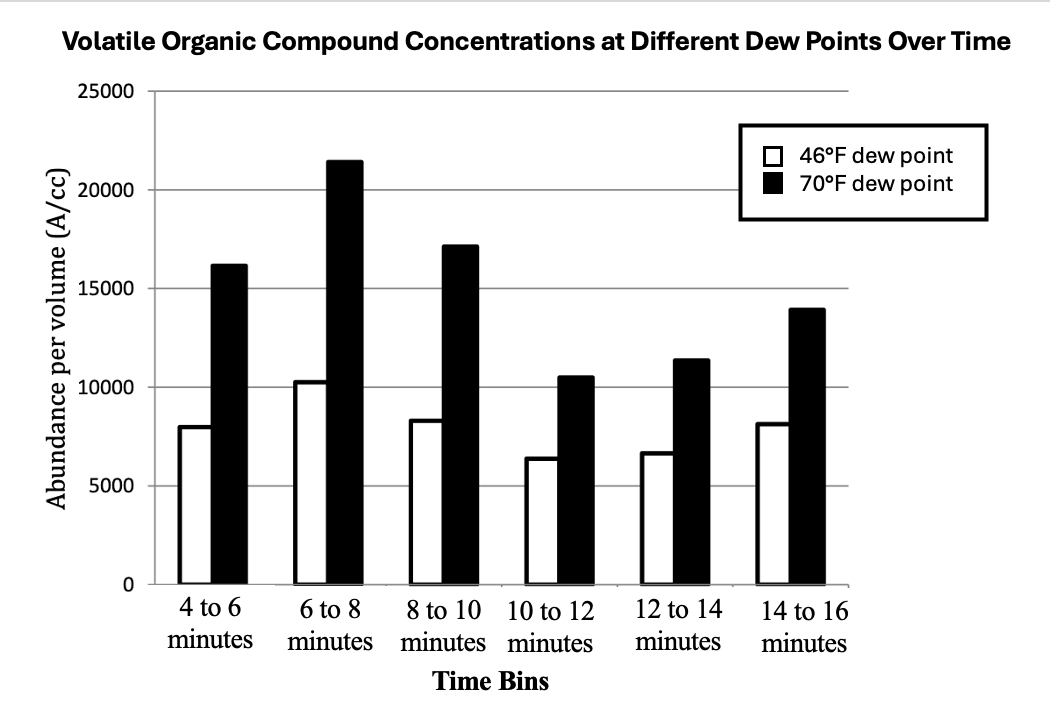
Effect of Humidity on Chemical Off-Gassing in Residences, Miriam Nnadili, 2011
Summary
In summary, measuring indoor dew points is essential for maintaining a healthy, comfortable, and structurally sound indoor environment. It provides a direct, actionable metric for moisture control, protecting both the building and its occupants from the numerous risks associated with excess humidity.